
Why Does My House Smell Like Dog Even After I Clean It?
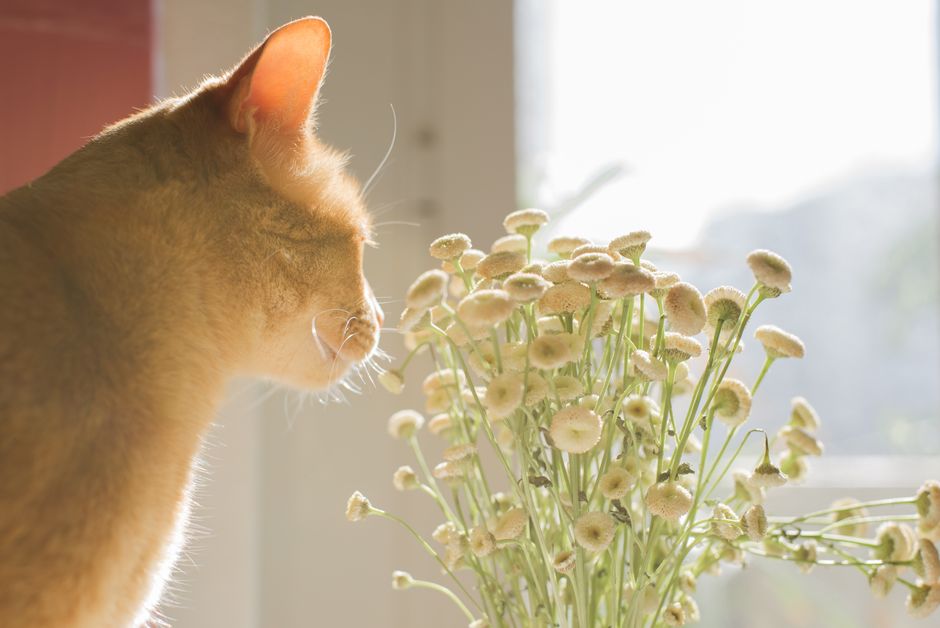
A doggy-smelling home usually has a missed source, not a shortage of fragrance: bedding, upholstery, carpet, damp towels, toys, floors, or the dog’s skin, ears, or mouth. Remove and wash the source first, dry it completely, ventilate with clean outdoor air, and use an air purifier only as a supplement. Persistent foul odor from the dog itself warrants veterinary attention.
Why does my house smell like dog even after I clean it?
Your cleaning may be targeting the room while the odor is living in a washable fabric, a damp surface, or the dog. Fragrance changes what you notice for a while. It does not remove the material producing the smell.
The US Environmental Protection Agency puts the order of operations plainly: reduce or remove pollutant sources, then ventilate with clean outdoor air. Filtration is useful, but it is not the substitute for source cleanup. Run this room-by-room audit before buying another scented product.
| Location | Check first | Source-removal move |
|---|---|---|
| Dog sleeping area | Bed cover, blanket, crate pad, loose hair | Vacuum hair, wash washable pieces, and dry every layer fully. |
| Living room | Favorite chair, sofa seams, throws, drool spots | Remove hair first, then clean according to the furniture label and let fabric dry completely. |
| Entry and floors | Wet paws, rugs, towels, baseboards | Wash the absorbent item and clean the hard surface beneath it. |
| Dog gear | Toys, collars, harnesses, leashes | Wash only items with care instructions that allow it; replace items that cannot be cleaned and retain odor. |
| The dog | Ears, mouth, skin folds, paws, coat | Groom routinely, then escalate persistent odor with a veterinarian. |
Use the Dry-Down Check: do not judge a cleaned fabric while it is still damp or heavily fragranced. Once it is dry, smell it at close range. If the odor remains, that item needs another appropriate cleaning pass or may be the wrong target.
Pay special attention to moisture. EPA notes that air cleaners do not correct the moisture source behind mold and musty odors; the source still needs cleanup. A damp dog bed or towel is not a minor detail. It can keep the room smelling stale after the floor looks clean.
Cleaning product choice matters, too. The American Veterinary Medical Association says many household cleaners can be used safely around pets when label directions for use and storage are followed. If a label says to keep pets and children away until an area is dry, follow it. Do not treat bleach as a general odor solution: ingestion can cause gastrointestinal signs and severe burns, and sufficiently high concentrations can irritate the respiratory tract.
How do I get dog odor out of carpet and upholstery?
Get dog odor out of carpet and upholstery by removing hair and the odor-holding residue, cleaning the affected material with a product approved for that surface, and allowing it to dry completely. Start with the small zone where the dog actually rests; broad room deodorizing creates work without solving the source.
Weak move: spray a scented deodorizer over the sofa. Strong move: lift hair from cushions and seams, inspect for damp or visibly soiled areas, follow the upholstery care label, and keep the dog off the furniture until it is dry. The same sequence applies to carpet: remove loose hair first, clean the specific area, and do not cover damp carpet with a rug.
- Map the repeat zone. Check where the dog sleeps, leans, shakes off water, or chews toys. Odor usually follows use, not room boundaries.
- Remove dry debris first. Vacuum or otherwise remove loose hair before applying moisture. The American Kennel Club specifically advises removing loose hair from dog beds before washing because wet hair clumps and can clog a machine.
- Match the cleaner to the surface. Follow both the fabric or carpet care instructions and the cleaner label. More product is not a stronger result if residue remains in the material.
- Finish the drying job. Ventilate with clean outdoor air when practical and keep the cleaned area available to dry. A clean item that stays damp can become the next odor source.
This is a useful distinction: cleaning removes residue; fragrance covers the reader's immediate perception. For another source-first approach to stubborn fabric odor, see How Do I Remove Persistent Sweat Odor From Activewear Without Rewashing It?. The materials differ, but the operating rule is the same: identify what is holding the smell before adding a cover scent.
For dog bedding, make weekly washing the baseline. The American Kennel Club reports that CDC and Canadian Medical Association Journal guidance recommends weekly washing to help reduce parasite or zoonosis transmission risk. It also notes that a bed should be fully dry before use because dampness encourages mold and mildew formation.
Will an air purifier remove dog smell from a house?
An air purifier can reduce some odor in the air, but it will not remove dog smell from its source or solve a damp bed, dirty upholstery, or a medical cause. Use it after cleanup, not instead of cleanup.
EPA explains why this distinction matters. No air cleaner or filter removes all indoor pollutants, and many units are designed to filter particles or gases rather than both. For gases and odors, EPA recommends activated carbon or another gas-removal filter; a particle-focused rating does not tell you how well a unit handles odors.
Do not buy based on a particle CADR number alone if odor is the problem. EPA's estimated minimum particle CADR ranges from 65 cubic feet per minute for a 100-square-foot room to 390 for a 600-square-foot room, but those figures apply to particles, not gas removal. The practical purchase question is: “Does this unit have a gas-removal filter, and have the actual odor sources already been cleaned?”
Purifier script for your own decision: “First clean the bed, fabric, and damp zones. Then choose filtration for what remains airborne.” That sequence keeps the device from becoming an expensive cover-up.
Frequently Asked Questions
How often should I wash my dog's bedding to control odor?
Wash dog bedding weekly. The American Kennel Club cites CDC and Canadian Medical Association Journal guidance recommending weekly washing to reduce the risk of spreading parasites or zoonoses. Vacuum or remove loose hair before washing, then dry the bed completely before putting it back.
Why does my dog smell worse when wet?
A wet dog can make odor more noticeable because moisture activates and spreads odors held in the coat, bedding, and nearby fabrics. The ASPCA specifically advises drying dogs thoroughly after a bath. If the smell remains strong after drying and routine grooming, ask a veterinarian to check for an underlying cause.
When is a dog's bad smell a reason to call the vet?
Call the vet when odor is persistent or comes with signs such as itching, redness, greasy or flaky skin, hair loss, ear discharge, head shaking, scratching, mouth discomfort, excess drooling, or trouble chewing. Merck Veterinary Manual identifies foul ear odor alongside head shaking, redness, swelling, scratching, discharge, and scaly skin as signs of otitis externa. Grooming will not resolve an infection or an underlying skin, ear, or dental problem.
Skin odor deserves the same escalation. Merck Veterinary Manual lists abnormal odor, excessive oil, itching, redness, scaling, thickened skin, pigmentation changes, and hair loss among signs associated with dermatitis. The ASPCA also advises veterinary assessment when persistent odor does not improve with grooming. This week's drill: choose one room, complete the Dry-Down Check on every dog-used fabric, and write down whether the remaining odor is in the room, on a single item, or on the dog.
Sources
- US Environmental Protection Agency: Guide to Air Cleaners in the Home
- American Veterinary Medical Association: Household Hazards
- Merck Veterinary Manual: Ear Infections and Otitis Externa in Dogs
- American Society for the Prevention of Cruelty to Animals: Dog Grooming Tips
- American Kennel Club: How to Clean a Dog Bed
Read next
How Do I Prepare for Rescue-Dog Adoption Screening and Find the Right Match?
Prepare for rescue-dog screening with an honest care plan, housing proof, and questions that help you find a realistic match.
What Is the Best Companion Animal for an Older Adult?
Compare companion animals for older adults by daily care, cost, mobility needs, and a practical backup-care plan.

How Do I Make a Bathroom Look Current Without Dating It?
Plan a bathroom that feels current now by keeping tile and layout calm and placing trends in accents that are easy to change.