
How Do I Prepare for Rescue-Dog Adoption Screening and Find the Right Match?
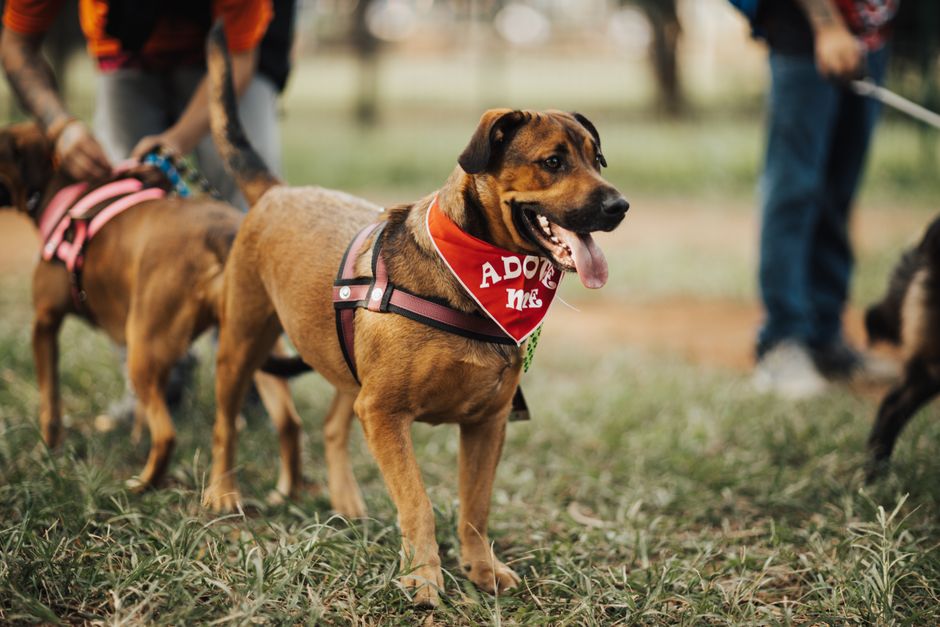
Prepare for rescue-dog screening by giving a specific, honest account of your housing, daily schedule, care plan, budget, and household needs, then use the same facts to choose a dog whose temperament and needs fit them. Screening is not a performance. It is a matching process, and clear details reduce the risk of a bad fit for both you and the dog.
Start with the facts a rescue can use: who lives with you, whether pets are allowed, how long the dog will be alone, where it will stay, and who owns the daily work. Do not try to sound like an ideal adopter. Give the rescue a workable operating plan.
What questions do rescue organizations ask before approving a dog adoption?
Rescue organizations ask questions that reveal whether your household can meet a particular dog's practical and behavioral needs. The point is not to collect perfect answers. The point is to compare the dog's known needs with your actual setup.
The June 10, 2025 adoption application from Cheshire Police Department Animal Control asks applicants about their desired activity level, household members' ages, interest in special-needs dogs, daily time alone, and where a dog will stay when nobody is home. It also asks who will care for, train, and exercise the dog, whether formal obedience training is planned, and whether a home visit is permitted.
The ASPCA dog-adopter survey gets equally concrete. It asks whether a dog must be compatible with children, older people, dogs, cats, or other animals; it also offers choices for the maximum time alone per day, from two hours or less through 12 hours. That is your prompt to replace a hopeful answer with a usable one.
| Screening area | What to prepare | Clear way to explain it |
|---|---|---|
| Time alone | Your normal maximum and the dog's daytime location | “The dog will be alone for this portion of the day and will stay in this location.” |
| Daily care | Named responsibility for feeding, exercise, and training | “This household member handles these tasks, with this backup plan.” |
| Compatibility | Children, adults, resident animals, and household activity level | “We need a dog comfortable with these people and animals.” |
| Special needs | Your willingness and capacity for medical or behavior support | “We can consider these needs; we cannot responsibly take on these needs.” |
Run the Reality Brief. Before you apply, write one sentence for each row. Weak: “We have plenty of time for a dog.” Strong: “The dog will be alone for this part of the day, stay here, and this person will handle exercise and training.” The strong version lowers the rescue's cognitive load and gives it facts to match.
Money belongs in that brief, too. Cheshire's form says routine dog-maintenance cost averages $1,000 per year. That figure does not tell you what every household will spend, but it does give you a source-backed starting point for discussing whether routine care belongs in your plan.
Why does a rescue want to contact my landlord or veterinarian?
A rescue contacts a landlord or veterinarian to verify that the adoption can proceed and that prior pet care information is available, not to create an obstacle course. Housing approval and veterinary references turn assurances into checkable facts.
For renters, Cheshire requires a landlord letter confirming permission for a dog and any size- or breed-specific policy. Animal Haven similarly asks applicants to show that pets are allowed through a lease, landlord or leasing-office contact, proof of ownership, or a property website. The practical move is simple: obtain written permission before applying, including any deposit, monthly fee, or relevant restriction.
Humane World for Animals is direct on this point: a lease that says no pets should not be signed based on verbal permission or the presence of other pets. Its guidance also recommends getting pet deposits or monthly fees in writing. Treat this as a document check, not a conversation you hope to win later.
A veterinary reference serves a different purpose. Animal Haven requires one for applicants who currently have or previously had a pet, and Cheshire requests a current veterinarian's contact information. Have the clinic name and contact details ready. If you have no prior pet, say that plainly instead of trying to manufacture a substitute reference.
This is the same decision discipline used when weighing recurring obligations in other parts of life: define the constraint before choosing the option. The approach is useful whether you are considering a pet or deciding whether to outsource bookkeeping or do it yourself. A choice that ignores its ongoing workload is not a plan.
What happens during a rescue-dog home visit?
A rescue-dog home visit lets the organization compare your stated plan with the environment where the dog would live and discuss how that dog might fit there. Cheshire's application asks whether a home visit is permitted before approval, which makes it sensible to prepare for a straightforward conversation about daily care, space, household members, and absence routines.
Use the visit to ask for the most complete behavioral picture available. The ASPCA's position on shelter dog behavior assessments says shelters should gather as much information as possible and notes that a single assessment has not proved highly accurate or precise for predicting aggression after adoption. Observations from socialization sessions, walks, playgroups, medical intake, prior owners, and foster stays can all contribute. The ASPCA says a foster-home stay may offer the most accurate view of behavior in an adoptive home.
Ask the Pattern Questions. Instead of asking only, “Is this dog good?” ask: “What have you observed during walks?” “What did the foster home report?” “How did the dog respond around resident animals or visitors?” “What medical or behavior support is already known?” Each answer narrows the match without pretending the rescue can predict every future moment.
Be equally clear about the settling-in period. According to ASPCA adoption guidance, a new dog benefits from routine, patience, space, and no forced interactions during the first three days. During the first three weeks, it recommends basic training, positive reinforcement, consistent routines, and bonding as the dog decompresses. Tell the rescue you can provide that structure only if it is true.
A denial or a missed match is not a reason to bypass policy. Animal Haven states that it takes multiple applications for each animal and that a meeting does not guarantee approval. Ask one practical follow-up: “Which household detail or requirement made this dog a poor match?” Then revise your Reality Brief and target dogs whose published needs line up with it.
Frequently Asked Questions
What should I say if I work full time and want to adopt a dog?
State your actual schedule, the maximum time the dog will be alone, where the dog will stay, and who will provide care, exercise, and training. Do not offer a vague assurance that it will work out; the ASPCA survey specifically asks adopters to identify how long a dog must be able to be alone each day. A concrete answer gives the rescue something useful to match against a dog's needs.
Why was my dog adoption application denied?
A denial can reflect a mismatch between the dog's needs and your household, incomplete eligibility requirements, housing restrictions, or another application being selected. Animal Haven says it accepts multiple applications for each animal and that meeting an animal does not guarantee approval. Ask the rescue which requirement or match factor prevented approval, then use that answer to make your next application more precise.
How can I tell a rescue what kind of dog fits my household?
Describe the people and animals in your home, your desired activity level, the time a dog will be alone, your preferred care arrangement, and your willingness to handle training or special needs. Ask for observations from several settings, including foster care, walks, playgroups, medical intake, and prior-owner information where available. The ASPCA notes that each setting supplies only one piece of a dog's behavioral picture.
This week's drill: write your one-page Reality Brief before submitting an application. Read it once as the adopter, then once as the rescue deciding where a specific dog can safely and sustainably land. If a sentence is vague, replace it with the schedule, location, person, or limit that makes it real.
Sources
Read next

Why Does My House Smell Like Dog Even After I Clean It?
Find the real source of dog odor, clean it safely, and know when a persistent smell may need veterinary attention.

Choose the Right iPhone Before You Switch
Choose an iPhone for an Android switch with clear checks for storage, eSIM, carrier fit, data transfer, and certified refurbished devices.

How Do I Choose the Right Whole-Home Water Filter and Drinking-Water Setup?
Use a water test, household needs, and certified claims to choose whole-home filtration, softening, and drinking-water treatment.

What Is the Best Companion Animal for an Older Adult?
Compare companion animals for older adults by daily care, cost, mobility needs, and a practical backup-care plan.