
How Do I Calculate the Melt and Resale Value of Silver?
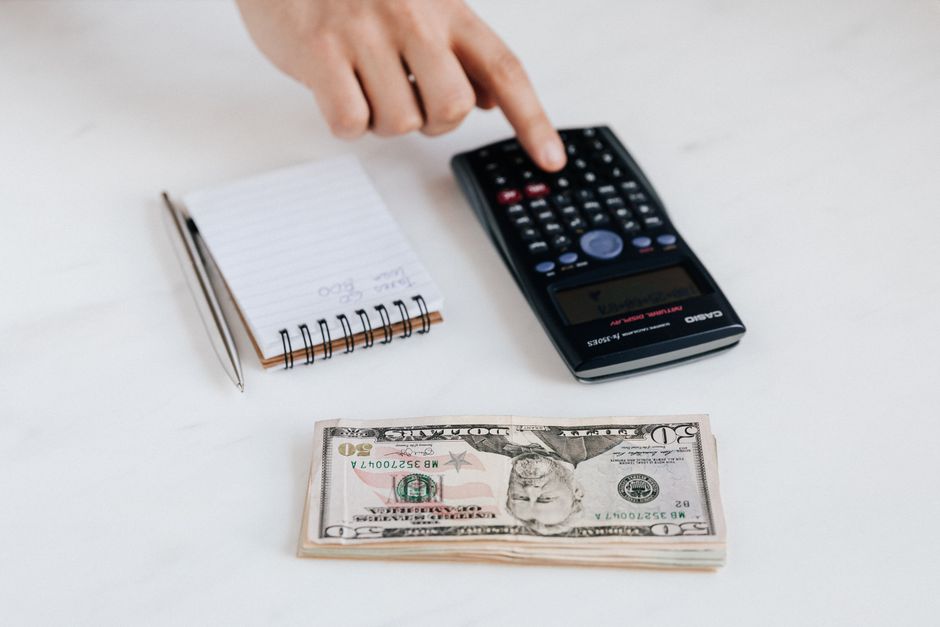
Calculate silver melt value by multiplying the item’s weight by its silver purity, converting the result to troy ounces, and multiplying by the current silver spot price. Likely resale value is a separate number: dealers may pay below melt for scrap, while recognizable bullion and collectible coins can command more because premiums, condition, rarity, and dealer costs change the final quote.
Run two numbers, not one. The first is a transparent metal-content estimate. The second is the offer you can actually obtain after the buyer decides whether the item is scrap, readily resalable bullion, or a potentially collectible coin.
What is the difference between the silver spot price and what a dealer will pay me?
Spot is the metal benchmark; a dealer’s offer is a business price for a specific item. CME Group quotes COMEX silver futures in U.S. cents per troy ounce, which is why a silver calculation needs troy ounces rather than an ordinary household-ounce assumption.
Use this Metal Math sequence: item weight × purity ÷ 31.1035 × current spot price per troy ounce = estimated melt value. CME Group’s contract specifications say grams are converted to troy ounces by dividing by 31.1035. Keep the live spot price as a variable until the moment you check it; public source material does not supply a single permanent current price.
| Item type | Purity input | What the calculation estimates | What can change resale value |
|---|---|---|---|
| .999 bullion | 0.999 | Fine-silver content | Recognizability and retail premium |
| Sterling item | 0.925 when marked 925 | Fine-silver content | Whether a buyer treats it as scrap or a usable object |
| Common pre-1965 U.S. silver coin | 0.900 where applicable | Silver-content starting point | Date, condition, series, and collector demand |
| Silver-plated item | Do not apply a whole-item sterling multiplier | No reliable whole-item melt estimate from a plate label | Construction and any non-metal resale appeal |
Here is the weak question: “What is silver worth?” Here is the useful one: “What is this item’s fine-silver content, and what will this buyer pay for this condition and category?” That distinction prevents a spot quote from doing work it cannot do.
A finished bullion coin can sell above the benchmark because it is not just raw metal. In the United States Mint’s 2022 bullion criteria, an American Eagle Silver Bullion Coin contains one troy ounce of .999 fine silver and its price is based on silver content plus a fixed $2.00 premium. The Mint states that the premium covers manufacturing, marketing, and distribution expenses.
How do I calculate the value of sterling silver by weight?
For a sterling item marked 925, multiply its weight by 0.925, convert that fine-silver weight to troy ounces, then multiply by the current spot price. The UK Hallmarking Act 1973 lists 925 among recognized silver fineness standard marks, so the purity multiplier is not a guess.
- Verify the mark. Look for “925” and, where present, related hallmarking marks. The 1973 Act also identifies recognized silver standards including 800, 958.4, and 999 parts per thousand.
- Weigh the item in grams. Use the total weight only after separating items that cannot reasonably be treated as silver content, such as removable non-silver components.
- Apply purity. Multiply grams by 0.925 for a 925-marked sterling item.
- Convert units. Divide fine-silver grams by 31.1035, following CME Group’s stated conversion method.
- Apply the live benchmark. Multiply troy ounces by the spot price observed at the time of your calculation.
Do not let the word “silver” carry the whole calculation. The British Hallmarking Council’s official notice treats silver plate as its own legally described category. Plate is not a license to multiply the whole item’s weight by 0.925.
The operational move is simple: make two piles before requesting quotes. Put marked sterling and fine silver in one pile. Put anything described as plated in another. This reduces the buyer’s cognitive load and makes each quote easier to compare, much like separating records before deciding whether to outsource bookkeeping or do it yourself.
Are pre-1965 silver coins worth more than their silver content?
Some pre-1965 U.S. silver coins are worth more than their silver content, but the date alone does not prove a collectible premium. The U.S. Mint says the dime and quarter moved away from silver in 1965, while no circulating coins contained silver by 1971; that makes composition screening useful, not a complete valuation.
For commonly traded 90% silver coinage, metal content creates a starting estimate when the coin’s applicable composition is known. The Mint’s historical account states that U.S. silver coin fineness changed to .900 in 1837. But do not turn that calculation into a final asking price without checking the exact denomination, date, condition, and series.
The Federal Trade Commission draws the line clearly: bullion and bullion coins are valued by precious-metal content, while historic coins can also depend on rarity, condition, historical value, and aesthetic appeal. The FTC also notes that a historic coin’s precious-metal value may be greater or less than its collectible value.
A Morgan dollar shows why the distinction matters. The U.S. Mint gives its statutory specification as 26.73 grams with a .900 silver and .100 copper alloy, but the same historical account identifies different series, production periods, and designs. Metal math identifies a floor-like reference point. Coin identification determines whether that reference point is the whole story.
Run this seller drill before accepting an offer:
- Photograph both sides of each coin and every hallmark.
- Record the weight, stated fineness, and whether the item is bullion, sterling, a coin, or plate.
- Calculate melt value using one spot-price observation and one unit system.
- Ask more than one buyer for a quote on the same described item, then compare whether each quote is for scrap, bullion resale, or collectible resale.
- For coins that appear older, unusual, or especially well preserved, ask whether the quote includes collector value rather than assuming scrap treatment.
The goal is not to predict a guaranteed sale price. It is to make the quote explain itself. A buyer can reasonably offer a different number from spot; the useful question is what category, costs, and resale path produced that difference.
Frequently Asked Questions
Why does a one-ounce silver coin cost more than spot price?
Spot reflects the underlying metal benchmark, not the cost to make and distribute a finished coin. In the United States Mint's 2022 bullion criteria, each American Eagle Silver Bullion Coin is priced from its silver content plus a fixed $2.00 premium, which the Mint says covers manufacturing, marketing, and distribution expenses.
How can I tell whether an item is sterling silver or silver plated?
Start with the marks. The UK Hallmarking Act 1973 recognizes 925 as a silver fineness mark, meaning 925 parts per thousand silver; an item described as silver plate is a different category and should not be valued as though its entire weight were sterling.
Should I sell silver based on the price per ounce or per gram?
Use the unit that makes the transaction easiest to audit, then convert consistently. CME Group specifies converting grams to troy ounces by dividing by 31.1035, so a troy-ounce benchmark and a gram weight can be reconciled without mixing measurement systems.
Set aside fifteen minutes this week: choose one item, record its marks and weight, calculate its melt estimate, and collect comparable quotes that state the category being purchased. If a quote cannot tell you whether it values scrap, bullion, or collectibility, it is not yet a number you can compare.
Sources
- CME Group: Silver Contract Specifications
- United States Mint: American Eagle Silver Bullion Coin Criteria (2022)
- United States Mint: Historic Coin Production
- United States Mint: One Hundred Years of Silver Dollar Coinage
- Federal Trade Commission: Precious Metals Consumer Guidance
- UK Hallmarking Act 1973, Schedule 2
- British Hallmarking Council: Silver Plate and Gold Plate Notice
Disclaimer: This article is for general information only and is not financial advice. It does not take your personal circumstances into account, and past performance does not predict future results. Speak to a licensed financial professional before making money decisions.
Read next
How Do I Evaluate a Luxury Watch for Resale Value?
Evaluate a luxury watch's resale potential by reference, condition, provenance, and entry price without treating it as a diversified investment.

How Do I Make a Bathroom Look Current Without Dating It?
Plan a bathroom that feels current now by keeping tile and layout calm and placing trends in accents that are easy to change.
How Can I Build Polished Everyday Outfits From a Small Wardrobe?
Use repeatable outfit formulas, proportion balance, and a wardrobe-gap audit to create polished looks without buying complete new outfits.
Choose a Retirement Wealth Manager With a Clear Fee and Fiduciary Test
Compare retirement wealth managers by fiduciary duty, service scope, fees, conflicts, credentials, and retirement planning coordination.