
How Do I Evaluate a Luxury Watch for Resale Value?
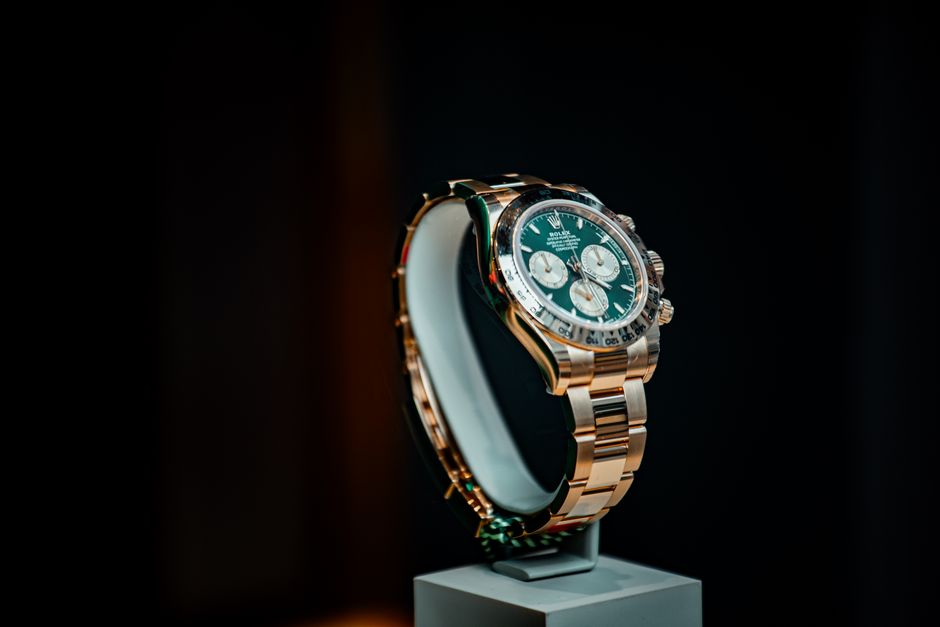
A luxury watch can be a collectible you enjoy and a resale-risk purchase, but it is not a diversified investment: results depend on the exact reference, authenticity, condition, scarcity, documentation, and entry price. Use brand data to screen liquidity, then assess the specific watch and ownership costs. Historical auction returns describe a selected market, not a forecast or a personal outcome.
The useful mindset is resale discipline, not return chasing. A watch can hold value and still be a poor financial substitute for a diversified portfolio because selling may take time, transaction terms vary, and ownership brings costs that a headline price chart does not show.
Which watch brands hold their value best?
Rolex has the clearest evidence of secondary-market activity in the supplied data, but brand recognition is only the first filter; the reference decides the result. Chrono24 reported that Rolex represented 34.2% of global secondary-market transaction volume in its analysis covering the first quarter of 2020 through the fourth quarter of 2024, compared with 10.0% for Omega, 6.7% for Patek Philippe, 5.2% for Cartier, and 4.0% for Audemars Piguet.
That transaction share is a liquidity signal, not a return promise. In the same Chrono24 analysis, eight Rolex models, including seven Datejust variants and one Yacht-Master reference, rose by more than 10% during 2024. The practical reading is simple: do not say, “Rolex holds value.” Say, “This exact reference has an active market, and this is the condition and set buyers are comparing.”
Brand-level direction can also change. Fortune's May 2024 report on Bloomberg Subdial Watch Index data stated that the index of the 50 most-traded watches by value had fallen about 36% over the two years ending in May 2024. Over the preceding 12 months, the overall index fell 10.2%, while Cartier models rose 2.4%; Rolex declined about 6%, Patek Philippe nearly 10%, Tudor more than 7%, and Omega about 2%.
| Screen | What the available evidence supports | What it does not prove |
|---|---|---|
| Brand activity | Chrono24's 2020–2024 data shows Rolex had the largest listed transaction share. | That every Rolex reference will rise or sell quickly. |
| Model demand | Specific Rolex references moved differently in 2024. | That a brand-wide index can price one watch accurately. |
| Complete set | Harvard Business School found box, documents, and certifications increased auction value. | That paperwork overrides condition or authenticity concerns. |
| Historical performance | The Journal of Investment Strategies calculated long-run collectible-watch series returns through 2020. | That a buyer will receive those returns after purchase. |
Use a compact “reference-first” script when reviewing a listing: “What is the exact reference, what is included, what condition evidence is available, and what comparable completed sales support this asking price?” It keeps the discussion on facts instead of prestige.
Is a Rolex really a good investment?
No brand name, including Rolex, turns a watch into a diversified investment; it is a collectible asset with model-specific resale risk. The 2024 Bloomberg Subdial data reported by Fortune showed Rolex's brand index declined about 6% over the preceding 12 months, even while selected Rolex references increased. Both facts can be true at once.
Long-run research needs the same discipline. A Journal of Investment Strategies study examining more than 60,000 auction results from 1999 through 2020 calculated annualized real U.S.-dollar geometric returns of 5.5%, or 7.7% nominal, for its collectible-watch series over those two decades. The study period ended before the pandemic-era surge and subsequent correction, so that historical series is context, not a forecast.
Keep the two decisions separate. A collector asks, “Would ownership be worthwhile if resale is merely acceptable?” An investor asks whether the capital should be spread across holdings rather than concentrated in one physical item. Those are different jobs. Blending them creates the most expensive kind of optimism.
There is also an ownership ledger. Include purchase price, insurance, servicing, secure storage if relevant, time spent verifying the watch, and the possibility that selling is not immediate. The supplied sources do not quantify those costs for an individual buyer, so public data does not support a universal break-even calculation. Still, listing them prevents a paper gain from being mistaken for a net result.
Should I buy a luxury watch at retail or on the gray market?
The better entry point is the one where the exact watch, its authentication evidence, its included items, and its price leave room for your resale-risk tolerance; the supplied sources do not establish a universal retail-versus-gray-market bargain. Retail, pre-owned, and gray-market listings are purchase channels, not automatic verdicts on value.
Start with the Entry-Price Test: compare like with like. A lower price is not comparable if it excludes the box, papers, warranty documentation, or confidence in authenticity. A higher price can still be hard to justify if the added items do not match what resale buyers actually value.
- Name the exact reference. Do not compare a broad collection name with another broad collection name.
- Inventory the set. Record the watch, box, documents, certifications, service materials, and any stated guarantee.
- Separate authentication from price. A lower asking price does not solve an authenticity question.
- Set an exit standard before purchase. Decide what evidence would make the watch sellable later: accurate condition records, complete accessories, and a defensible description.
- Budget ownership separately. Do not call a watch “profitable” before accounting for costs that arise between purchase and sale.
For Rolex, the official certified pre-owned program is a useful example of what buyer protection can look like. Rolex says its certified pre-owned watches are authenticated in Rolex workshops, fully serviced, rigorously tested, and supplied with a two-year international guarantee, a guarantee card, service booklet, official papers, seal, and pouch. That describes one official-network program; it does not prove a resale premium for every Rolex or every pre-owned channel.
This is the same discipline used in other practical money choices: define the comparison before choosing the option. The framework in Should I Outsource Bookkeeping or Do It Myself? applies here as well: separate the visible price from the time, risk, and follow-up work attached to each route.
Closing drill: before making any purchase, write two sentences: “I would still enjoy this watch if it resold for less than I paid,” and “The evidence I have for this exact watch is ___.” If the second sentence is vague, pause the transaction and improve the evidence.
Frequently Asked Questions
What makes one watch retain value while another depreciates?
The evidence points to the specific watch rather than the logo alone. The Journal of Investment Strategies identifies authenticity, rarity, watch type, brand, and famous prior owners as price drivers, while Harvard Business School found that limited status and a complete set of documents, certifications, and box increased auction value. Current secondary-market performance can also vary sharply among references from the same brand.
Do box and papers increase a watch's resale value?
They can matter because they help establish completeness and provenance. Harvard Business School's auction research found that documents, certifications, and the box increased value, but they do not replace a sound condition assessment or credible authentication. Keep every item that came with the watch and describe exactly what is included when comparing offers.
Will wearing a luxury watch reduce what I can sell it for?
Wear can affect condition, and condition is one of the practical details a resale buyer will inspect. The supplied research does not provide a universal price reduction for wearing a watch, so public data does not support a fixed deduction. Record condition clearly and weigh the enjoyment of wearing it against the possibility that a buyer may prefer a less-worn example.
Sources
- Journal of Investment Strategies: Luxury Watches, a Viable Alternative Investment or Mere Speculative Trend?
- Harvard Business School: Multiple Vies of Luxury Watches
- Fortune: Luxury Watch Resale Value Report
- Chrono24: Rolex's Dominance on the Secondary Market
- Rolex Certified Pre-Owned Certification Process
Disclaimer: This article is for general information only and is not financial advice. It does not take your personal circumstances into account, and past performance does not predict future results. Speak to a licensed financial professional before making money decisions.
Read next
How Do I Calculate the Melt and Resale Value of Silver?
Use purity, weight, troy-ounce conversion, and spot price to estimate silver melt value, then assess what can change a dealer offer.
How Can I Evaluate New-Arrival Clothing Online Before Buying?
A practical way to check fit, fabric, styling value, and return risk before ordering new-arrival clothing online.

How Do I Make a Bathroom Look Current Without Dating It?
Plan a bathroom that feels current now by keeping tile and layout calm and placing trends in accents that are easy to change.
How Can I Build Polished Everyday Outfits From a Small Wardrobe?
Use repeatable outfit formulas, proportion balance, and a wardrobe-gap audit to create polished looks without buying complete new outfits.