
Choose a Front Door That Fits Your Home and Climate
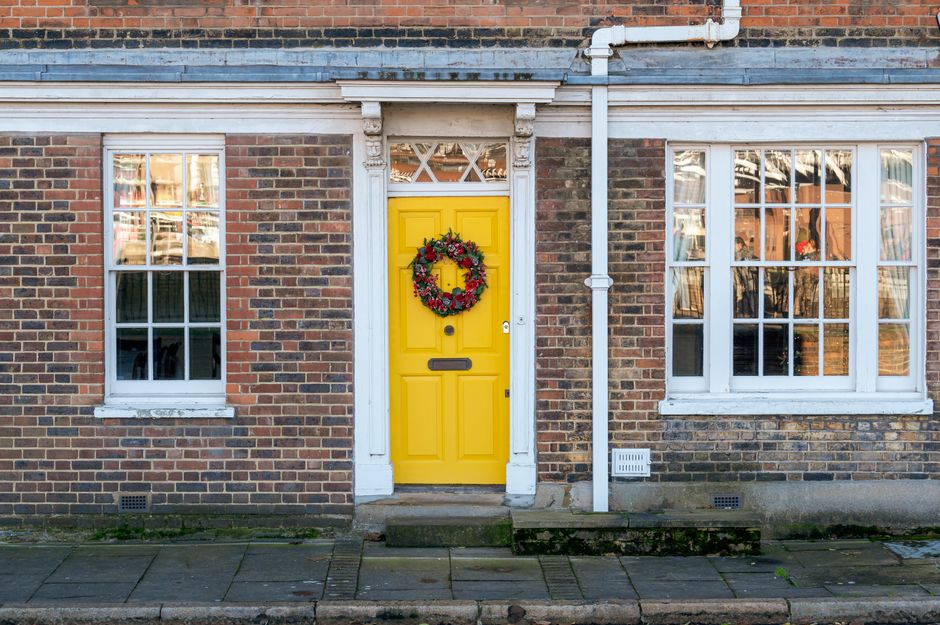
Steel and fiberglass both offer more insulation than wood, but the better front door depends on exposure, glazing, frame, security needs, and upkeep. Fiberglass resists moisture and rust; steel offers strength but can dent and rust if scratched. Choose by checking climate-rated energy performance and the complete installed assembly, not material alone.
Is a steel or fiberglass front door better for a modern home?
Fiberglass is the more forgiving choice for weather exposure and lower upkeep; steel suits households that prioritize a strong door and can tend to dents or scratches. Neither material wins every comparison. A contemporary look can come from the door’s finish and glazing, while its performance depends on the core, frame, seals, and installation.
The National Association of Home Builders (NAHB) says many steel doors use an insulating foam or wood-and-foam core. It also describes steel and fiberglass as offering greater insulating value than wood. Fiberglass with a polyurethane foam core is described as similarly energy efficient to steel, with resistance to dents, rust, warping, and moisture-related swelling or shrinking.
That comparison does not make the two materials identical. Consumer Reports describes steel as strong and insulating, but susceptible to dents; a scratch left untreated can lead to rust. Fiberglass generally resists weather, warping, cracking, and rust, though high-impact force can crack some doors, especially in extreme cold. The door’s construction still matters.
Wood brings a distinct appearance, but it asks for more care. Sun and moisture can damage its finish, and Consumer Reports warns that neglected wood can warp, swell, or crack in extreme climates. NAHB says an unprotected, south-facing wood door may need staining or painting every year or every other year to preserve its appearance.
Which front door material holds up best in direct sun or rain?
Fiberglass is the strongest general fit for an entry exposed to rain and moisture, while steel needs prompt attention to scratches and wood needs protection from sun and water. Exposure changes the maintenance burden as much as material does.
For wood, a porch can reduce direct exposure, but it does not remove the need to protect the finish. NAHB’s guidance makes the exposure tradeoff plain: an unprotected south-facing door may need annual or every-other-year staining or painting. Architect Magazine describes sun, rain, hail, wind, and temperature extremes as forces that can fade, twist, split, or rot wood. Its article reports an interviewed industry expert’s recommendation of maintenance every six months based on his experience. These source recommendations differ; the useful takeaway is to follow the door maker’s care guidance and assess exposure rather than assume one fixed schedule fits every door.
Fiberglass also has a maintenance step. NAHB says fiberglass doors need sealing or staining on all six sides after installation and over time. This includes edges that can be easy to overlook. For steel, check the finish after damage: both NAHB and Consumer Reports warn that scratches or dents can expose the door to rust, particularly in humid conditions.
In high-wind or windborne-debris areas, material alone is not a rating. The Texas Department of Insurance says evaluated doors in designated Texas Gulf Coast catastrophe areas must meet the pressure required for the specific structure and applicable local debris criteria. Testing must reflect the installed assembly, including framing and attachment. Confirm the product evaluation and installation requirements for the actual opening.
Are fiberglass doors as secure as steel doors?
The available sources do not establish that fiberglass and steel doors are equally secure in every installation; they describe material tradeoffs, not a universal security ranking. Steel is described as strong, while fiberglass can crack under high impact, especially in extreme cold. Those facts alone do not rate a complete door assembly.
For severe weather, the Texas Department of Insurance focuses on tested design pressure and windborne-debris performance, with framing and attachment included in the evaluated assembly. Architect Magazine likewise emphasizes third-party testing and says actual ratings depend on the door assembly. A door’s label, frame, attachment, and local requirements tell more than its material name.
Glazing changes the decision, too. ENERGY STAR’s door criteria vary by climate zone and glazing level, so the amount of glass affects which efficiency requirements apply. For a door with sidelights or substantial glass, compare the complete product’s rating and installation instructions rather than assuming a solid door’s performance carries over.
Use this comparison to narrow the options. The source material does not publish comparable prices for these materials, so cost is listed as not published rather than estimated.
| Option | Who it suits | Cost | Key limitation |
|---|---|---|---|
| Steel | Households prioritizing a strong, insulated door | Not published | Can dent; scratches can lead to rust |
| Fiberglass | Exposed entries where moisture resistance and less risk of warping or rust matter | Not published | Some doors can crack under high impact, especially in extreme cold; needs sealing or staining on all six sides |
| Wood | Households prepared to maintain a finish against sun and moisture | Not published | Can fade, warp, swell, crack, split, or rot without suitable protection and upkeep |
Frequently Asked Questions
Which entry door is most energy efficient?
There is no single material that is most efficient in every climate. NAHB describes insulated steel and polyurethane-foam-core fiberglass doors as having greater insulating value than wood, while DOE says to compare climate-appropriate U-factor and SHGC, glazing, frame, and air leakage.
How much maintenance does a real wood front door need?
It depends on exposure and protection. NAHB says an unprotected, south-facing wood door may need staining or painting every year or every other year to preserve its appearance; Consumer Reports also advises painting or varnishing wood to protect it from moisture and sun.
Sources
Read next

How Do I Choose the Right Whole-Home Water Filter and Drinking-Water Setup?
Use a water test, household needs, and certified claims to choose whole-home filtration, softening, and drinking-water treatment.

How do I choose glasses that suit my face and style?
Choose glasses by balancing frame shape and color with your style, then check width, bridge position, cheek clearance, and temple comfort.

Choose a Retirement Wealth Manager With a Clear Fee and Fiduciary Test
Compare retirement wealth managers by fiduciary duty, service scope, fees, conflicts, credentials, and retirement planning coordination.

How Do I Make a Bathroom Look Current Without Dating It?
Plan a bathroom that feels current now by keeping tile and layout calm and placing trends in accents that are easy to change.