
How Do I Estimate Diesel Generator Fuel Use, Runtime, and Tank Capacity?
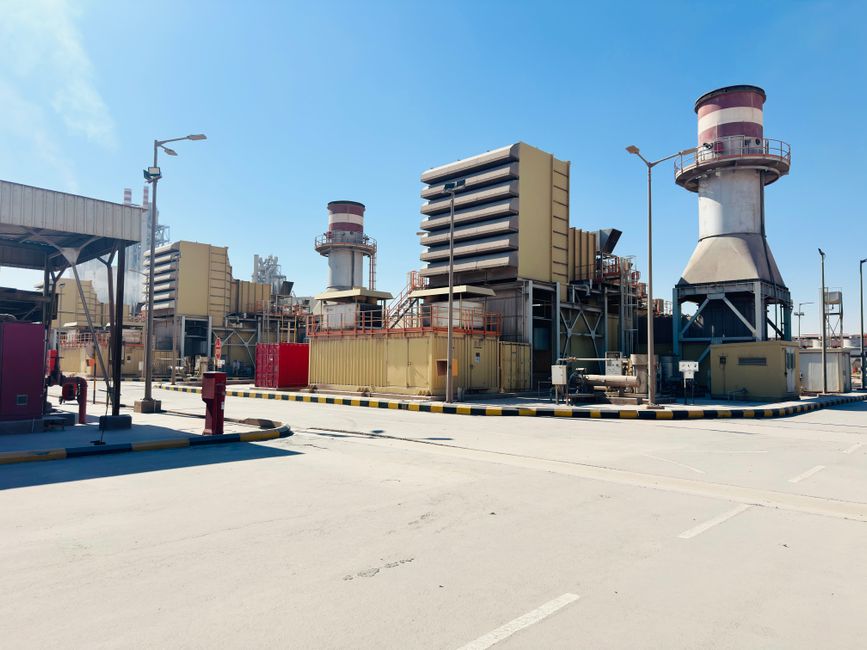
Use the generator maker’s fuel chart at your planned load, then multiply gallons per hour by outage hours to get the base fuel need. Size the tank from that result, then account for the required reserve and usable volume. A 300 kW Cummins example burns 10.3 gallons per hour at 50% load, so 24 hours requires 247.2 gallons before reserve.
The nameplate is not the answer. The load is the answer.
A generator can be large enough and still have too little fuel. It can also carry too much fuel for its duty, creating storage and maintenance burdens. Start with the published chart for the exact model and the rating under which it will run.
How much diesel does a generator use per hour at half load?
At half load, a diesel generator uses the manufacturer’s published 50% load rate, not half of its full-load rate.
Cummins lists 10.3 gallons per hour for its C300D2R 300 kW standby generator at 50% load. Its full-load figure is 19.6 gallons per hour. Half the electrical load does not equal half the fuel burn.
The same point appears at a larger scale. Caterpillar lists 59.7 gallons per hour at 50% load for its 1,600 ekW 3516 generator with fan, against 111.2 gallons per hour at full load. Published charts beat rule-of-thumb math.
| 300 kW Cummins standby set load | Published fuel use | Fuel for 24 hours |
|---|---|---|
| 25% | 6.2 gallons per hour | 148.8 gallons |
| 50% | 10.3 gallons per hour | 247.2 gallons |
| 75% | 14.7 gallons per hour | 352.8 gallons |
| 100% | 19.6 gallons per hour | 470.4 gallons |
These figures come from the Cummins C300D2R data sheet. They are a worked example, not a substitute for the chart for a home unit, workshop unit, or small-business standby set.
Find the loads that remain on during an outage. Add their expected kilowatts. Divide that figure by the generator’s applicable kW rating. Then select the nearest published load point, or obtain the maker’s calculation for the intended operating point.
Use the right rating. Cummins identifies this model as 300 kW standby and 275 kW prime rated. A fuel calculation built on the wrong rating starts wrong.
Why does diesel-generator fuel consumption change with electrical load?
Fuel consumption changes with electrical load because a running diesel generator burns a base amount of fuel before it supplies its added electrical output.
The Caterpillar figures make the shape plain. At 25% load, its 1,600 ekW example burns 34.9 gallons per hour, around 31% of its 111.2-gallons-per-hour full-load rate. That is less fuel overall, yet it is not 25% of full-load fuel use.
Load is not a dial that cuts fuel in equal slices. The engine, cooling system, and generator set are already operating. Added electrical demand raises fuel burn from that starting point.
The Caterpillar specification also states that its fuel-use values use rated engine power and specified Number 2 diesel properties. Site configuration and operating conditions affect actual consumption. Treat a published chart as the planning base, then confirm its fit with the equipment supplier.
Long periods at low load bring a second concern. The FCC backup-power advisory warns that extended low-load exercising can cause wet stacking. The same advisory identifies oversizing as a source of wasted fuel, fuel degradation, wet stacking, and higher maintenance costs.
Small loads are not always small problems. Right-sizing is fuel planning and maintenance planning at once.
How large should a diesel tank be for a 24-hour or multi-day outage?
A diesel tank should hold the published gallons-per-hour rate multiplied by the required outage hours, plus the reserve and unusable-volume allowance required for the installation.
Write the calculation in one line: tank fuel requirement = published fuel burn per hour x planned runtime. The Georgia Environmental Finance Authority says required capacity should be calculated from published engine consumption data and a specified minimum runtime.
For the 300 kW Cummins example at 50% load, 10.3 gallons per hour times 24 hours equals 247.2 gallons. At the same load, 48 hours equals 494.4 gallons. At 72 hours, the base requirement is 741.6 gallons. Those figures are fuel requirements before the installation’s reserve and usable-volume allowance.
| Example duty | Fuel-rate basis | Runtime | Base fuel requirement |
|---|---|---|---|
| Home or small workshop with a documented 50% load on the Cummins example | 10.3 gallons per hour | 24 hours | 247.2 gallons |
| Same documented load | 10.3 gallons per hour | 48 hours | 494.4 gallons |
| Same documented load | 10.3 gallons per hour | 72 hours | 741.6 gallons |
| Critical-site planning example from FCC | 200 kW set supporting 160 kW, or 80% load | 72 hours | About 1,150 gallons |
Georgia’s guideline finds that up to 72 hours of fuel supply is reasonable for most facilities. It says longer duration can be justified by service needs, location, outage history, and refueling lead times. The FCC advisory recommends sizing stationary standby fuel for 48 to 72 hours at full capacity for critical wireless sites, then adjusting for access, remoteness, and fuel availability.
That distinction matters. A home, workshop, and small business do not share one correct runtime. The tank follows the required service period and documented load. It does not follow a universal tank-size chart.
Storage rules also change the decision. Georgia’s guidance states that state-facility tanks at 1,000 gallons or less are generally subbase aboveground tanks, while larger capacities generally use underground storage. It also notes federal Spill Prevention, Control, and Countermeasure requirements for one aboveground tank larger than 1,320 gallons or multiple tanks above that aggregate capacity. Confirm the rules that govern the actual site before selecting a tank.
If the outage plan includes a pump-fed water system, its electricity demand belongs in the load list; the related equipment choices are covered in How Do I Choose the Right Whole-Home Water Filter and Drinking-Water Setup?.
Fuel cost uses the same base number. Multiply gallons per hour by planned hours, then multiply by the applicable diesel price per gallon. The U.S. Energy Information Administration calculates its weekly diesel price estimates as volume-weighted averages from sampled retail outlets. Use the local price that applies to the fuel purchase rather than inventing a price for the estimate.
The tank is a clock. Its size states how long the planned load can run.
Frequently Asked Questions
Is it inefficient to run a diesel generator at very low load?
Yes. Low electrical load reduces total gallons burned per hour, yet it can use more fuel per unit of electricity produced. The FCC advisory also identifies extended low-load exercising as a cause of wet stacking, alongside risks of fuel degradation and higher maintenance costs from oversized systems.
How do I calculate fuel cost for a diesel standby generator?
Multiply the manufacturer’s fuel-burn rate in gallons per hour by the planned operating hours, then multiply that result by the applicable diesel price per gallon. The U.S. Energy Information Administration publishes weekly volume-weighted retail on-highway diesel price estimates for national, regional, and California markets, which provides a sound price input.